When most people hear the word “hormones,” they immediately think about fertility, pregnancy, or menopause. But hormones influence so much more than our reproductive health. Throughout our reproductive years, they affect our energy, sleep, mood, digestion, skin, metabolism, menstrual cycles, and overall sense of well-being.
At our practice, we care for women through many different stages of life—from the first signs that something doesn’t feel quite right, to pregnancy and postpartum recovery, and eventually the transition into perimenopause.

One of the most rewarding parts of my job is helping women make sense of those symptoms. Our bodies are constantly giving us information, and when we take the time to listen, we can often begin to understand why those symptoms are happening instead of simply trying to manage them one at a time.
Hormonal Health is about More than Your Period
Hormones naturally fluctuate throughout the menstrual cycle, and some variation is completely normal. However, when those fluctuations become more pronounced or the body struggles to regulate them, symptoms can begin to interfere with daily life.
You may recognize some of these experiences:
- Feeling exhausted even after a full night’s sleep
- Mood swings, irritability, or increased anxiety
- Painful, heavy, or irregular periods
- Pelvic pain before or during menstruation
- Acne that seems to follow your cycle
- Headaches or migraines
- Bloating and digestive discomfort
- Difficulty concentrating or “brain fog”
- Sleep disturbances
- Low energy or decreased motivation
Many women are told these symptoms are simply part of being a woman. While menstrual cycles do change throughout life, persistent or disruptive symptoms deserve attention rather than being accepted as “normal.”
Looking for Patterns, Not Just Problems
One of the things I appreciate most about Chinese medicine is that it encourages us to step back and look at the bigger picture.
During your first visit, we’ll certainly talk about your menstrual cycle, but we’ll also ask about your sleep, digestion, stress, energy, emotional well-being, and how your symptoms change throughout the month. At first those questions can seem unrelated, but they often help us recognize patterns that might otherwise be missed.
Two women may both have painful periods, but the reasons those symptoms developed—and the treatment approach that makes the most sense—may be completely different.
That’s why we don’t believe in one-size-fits-all care. Your treatment plan should reflect your body, your health history, and your goals.
How Acupuncture May Support Hormonal Health
One question I hear fairly often is whether acupuncture “balances hormones.”
The answer is a little more complex than that.
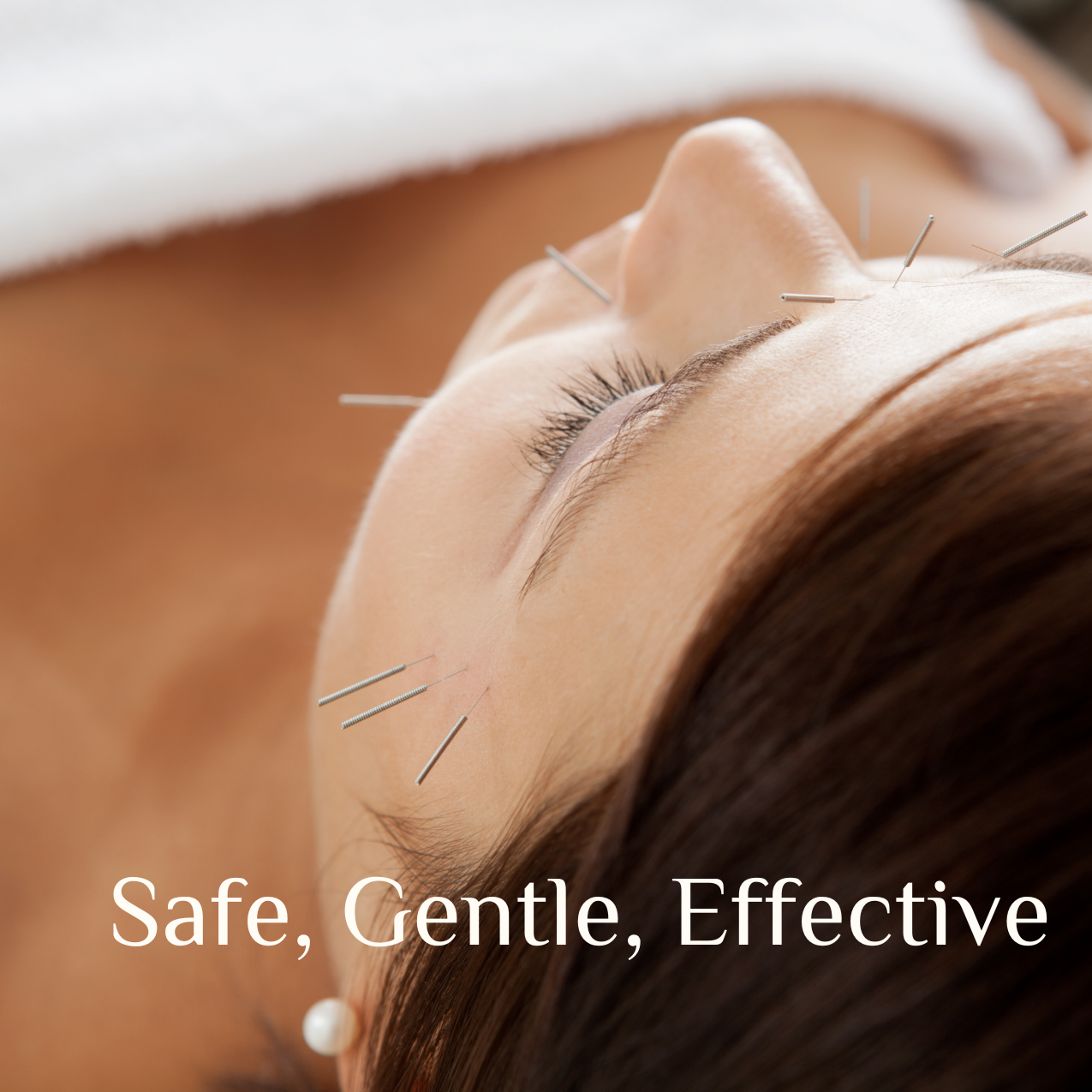
Acupuncture doesn’t directly change hormone levels the way hormone therapy or certain medications can. What research suggests is that acupuncture may influence the nervous system, improve circulation, and help regulate the body’s response to stress. Together, these effects may help improve menstrual symptoms and overall well-being for some women.
Women often seek acupuncture for concerns such as:
How Acupuncture May Support Hormonal Health
One question I hear fairly often is whether acupuncture “balances hormones.” Research has shown time and again how acupuncture directly effects the HOP (Hypothalamic-Pituitary-Ovarian) axis. This neuroendocrine feedback loop regulates hormone levles throughout the menstral cycle. We choose points that can certainly balance hormones such as estrogen and progesterone when we provide acupuncture during each phase of the cycle.
Women often seek acupuncture for concerns such as:
- Painful menstrual cycles
- Irregular periods
- Polycystic ovary syndrome (PCOS)
- Endometriosis
- Premenstrual syndrome (PMS) of (PMDD)
- Autoimmune and Thyroid disregulation
- Fertility
- Pregnancy Support (including high risk pregnancies)
- Stress-related cycle changes
- Postpartum recovery
Supporting Women Through Every Season
Hormonal health isn’t static. It changes throughout adolescence, adulthood, pregnancy, postpartum recovery, and the years leading toward menopause.
The care your body needs at twenty-five may look very different from what it needs at forty-five.
Wherever you are in that journey, our goal is to provide thoughtful, individualized care that helps you better understand your body and feel supported through those transitions.
Whether you’re living with PCOS, managing endometriosis, recovering after childbirth, experiencing painful periods, or simply noticing that your body doesn’t feel the way it used to, Chinese medicine can be a valuable complement to your conventional medical care.
You Deserve to Feel Like Yourself Again
One thing I’ve learned after caring for women over the years is that we’re incredibly good at pushing through discomfort.
We push through fatigue because life is busy. We tell ourselves painful periods are normal. We learn to work around headaches, bloating, poor sleep, or unpredictable cycles because we have families, careers, and responsibilities that don’t stop every month.
But just because something is common doesn’t mean it’s something you have to simply accept.
You deserve to understand what’s happening in your body. You deserve to feel heard, to have your symptoms taken seriously, and to receive care that’s tailored to you as an individual.
If hormonal symptoms have been affecting your quality of life, we’d love to help. Together, we can look for the underlying patterns, create a treatment plan that fits your needs, and support your health in a way that helps you feel more like yourself again.